review
Near Dark (1987): A Bloody Good Time on the Open Road

Summary
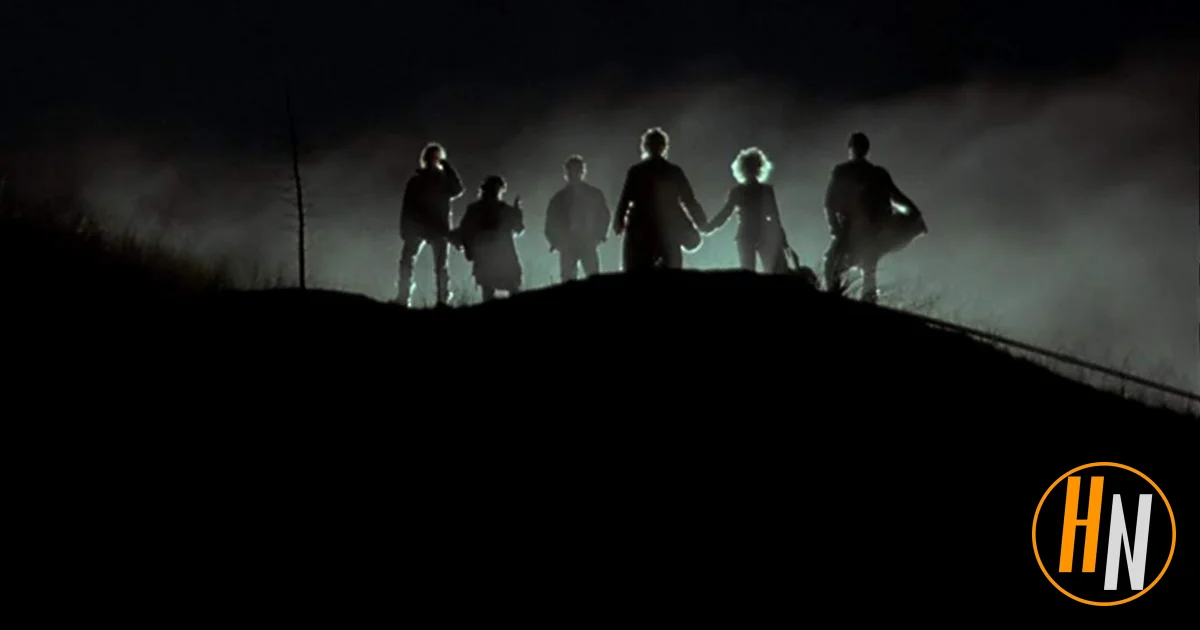
A farm boy reluctantly becomes a member of the undead when a girl he meets turns out to be part of a band of vampires who roam the… — Horrortainment News

While Synapse FIlms’s announcement might be an April Fool’s prank, our review of Near Dark is not.
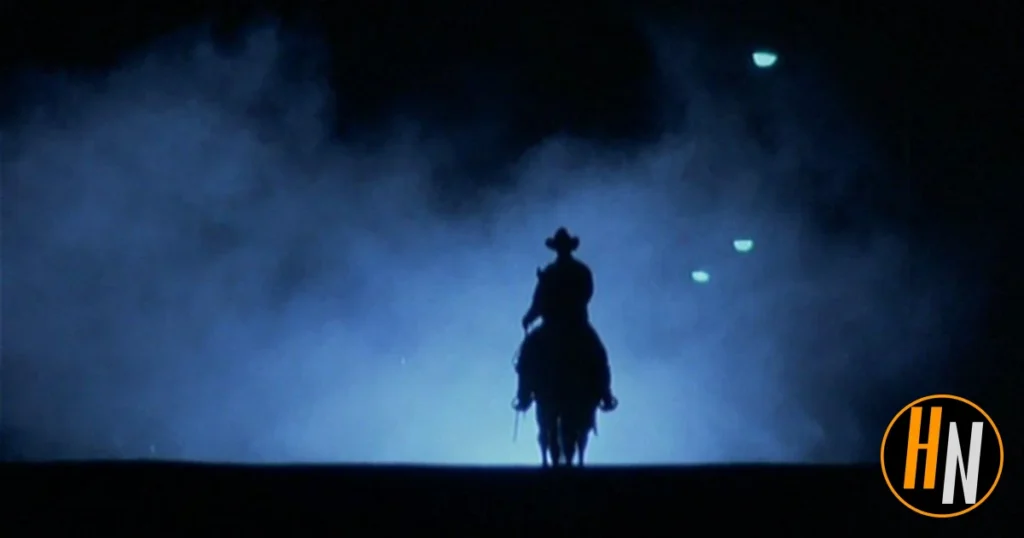
Kathryn Bigelow’s “Near Dark” is a masterclass in blending horror and action, creating a thrilling ride that will leave you breathless. This 1987 gem boasts outstanding performances from its talented cast, including Adrian Pasdar, Jenny Wright, Lance Henriksen, Bill Paxton, and Jenette Goldstein.
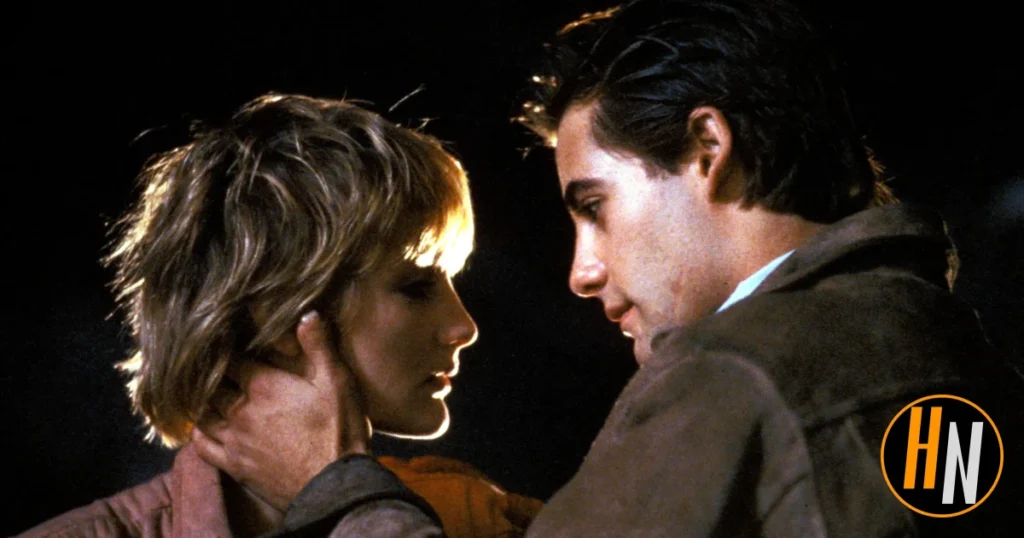
The film’s pacing is expertly crafted, slowly building tension as our protagonist, Caleb, finds himself entangled in a world of modern-day vampires. The chemistry between the leads is undeniable, making their characters’ interactions all the more believable and unsettling. As the stakes rise (yeah, we went there), Bigelow’s direction ensures that the action scenes are both intense and well-choreographed.
What truly sets “Near Dark” apart, however, is its unique take on vampire lore. By stripping away traditional Gothic trappings, Bigelow creates a sense of realism that makes the horror all the more palpable. The vampires here are not romanticized or sympathetic; they’re brutal, animalistic, and terrifying.
With a gore level that’s “just right,” “Near Dark” is sure to satisfy fans of the genre without becoming gratuitous. Overall, this cult classic is a must-see for horror enthusiasts of all experience levels. So, buckle up and hit the open road with “Near Dark” – but be prepared for a wild and unforgettable ride.






Summary
A man and his son arrive at a rave lost in the mountains of Morocco. They are looking for Marina, their daughter and sister, who… — Horrortainment News
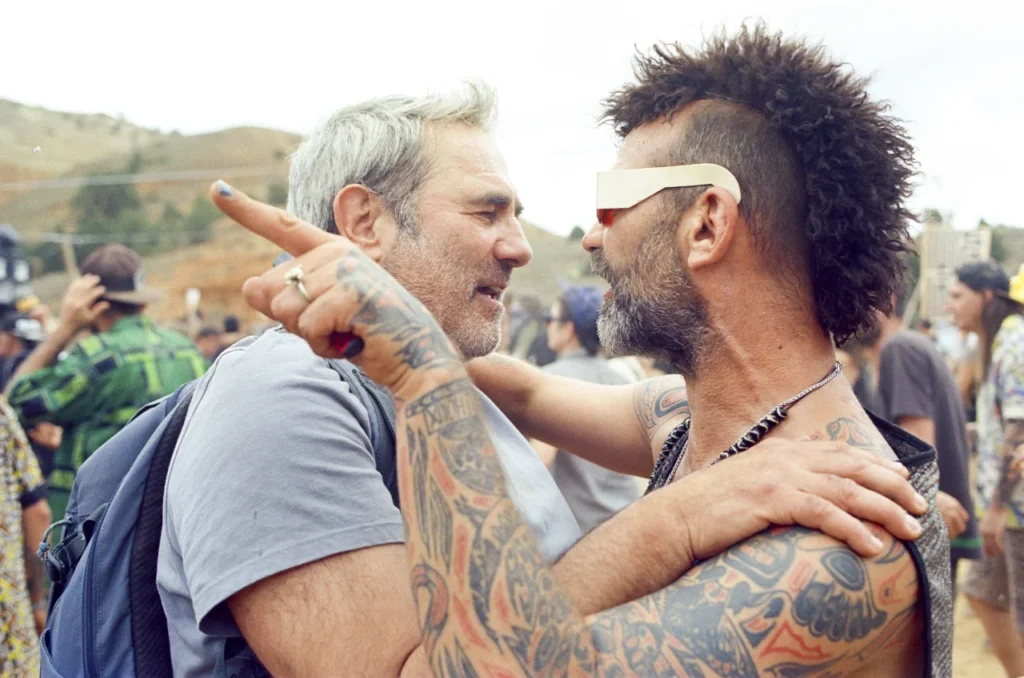
While Oliver Laxe’s Sirāt is not a horror film, it’s also not a film for the faint of heart—or the conventional horror fan. It’s an unsettling, immersive experience that defies genre expectations, blending dread with an experimental narrative style that will leave even seasoned viewers questioning what they’ve just witnessed. Set against the stark, unforgiving landscape of Morocco’s mountains, the story follows a father and son searching for his missing daughter amid a haze of rave culture and existential dread.
The film’s pacing is deliberately unhurried, allowing tension to build slowly but relentlessly. Laxe’s direction emphasizes atmosphere over plot, creating a sense of unease that lingers long after the credits roll. The cast, led by Sergi López, delivers performances that feel raw and authentic, grounding the surreal elements in human emotion.
While the film’s structure may alienate casual viewers, those willing to embrace its avant-garde approach will find themselves deeply moved. Sirāt is a film that demands patience and an open mind, rewarding viewers with a visceral, unforgettable experience that blurs the line between reality and nightmare.
A bold, unsettling journey—essential viewing for fans of experimental cinema.
Film Details
| Director | Oliver Laxe |
|---|---|
| Cast | Sergi López, Bruno Núñez, Stefania Gadda, Joshua Liam Henderson, Richard Bellamy, Tonin Janvier, Jade Oukid, Ahmed Abbou, Abdellilah Madrari, Mohamed Madrari |
| Runtime | 115 min |
| Rating | R |
| Country | Spain, France |
| Budget | $7,000,000 |
| Box Office | $10,445,082 |
| Where to Watch | JustWatch · IMDB |




Summary
The Woman in the Yard, directed by Jaume Collet-Serra, is a chilling psychological horror film that delves into themes of grief, depression, and emotional decay. The story follows Ramona, a grieving mother haunted by a mysterious veiled woman who symbolizes her internal anguish, as she struggles to protect her children and her sanity. Anchored by a powerful performance from Danielle Deadwyler, the film offers a deeply emotional and unsettling take on the horrors of the mind.
Jaume Collet-Serra directs The Woman in the Yard, a hauntingly dark look into the world of grief, guilt, depression, and suicide.
Ramona (Danielle Deadwyler) lies in bed watching a video on repeat of her deceased husband David (Russell Hornsby). Her teenage son Taylor (Peyton Jackson) interrupts her solemn solitude to inform her that there’s no electricity—which, to a 21st-century teen, spells doom.
Reluctantly, Ramona drags herself out of bed and is forced to confront a harsh reality: piles of unopened letters, little to no food, and a young daughter, Annie (Estella Kahiha), craving attention. Isolated in a farmhouse, with dead phones and a car that won’t start, things only get more unsettling when Ramona encounters the woman in the yard—a black-veiled entity (Okwui Okpokwasili) who cryptically tells her, “Today is the day.” Confused and frightened, Ramona watches as this mysterious figure begins inching closer and closer to the house, while tensions inside continue to boil. What follows is a harrowing fight for the lives of her children, her sanity, and her own survival.
The Woman in the Yard delves into grief and the darkest recesses of the mind with unsettling precision. It explores depression and the yearning for an end to suffering when hope feels lost. Beneath the surface of horror lies a deeper story—this is a film about the horror that lives inside us. The veiled woman is a physical manifestation of despair, creeping ever closer, feeding on pain, and extinguishing light.
Danielle Deadwyler is brilliant as Ramona. You feel the weight of her grief radiating off the screen—her dreams gone, her guilt consuming her, her frustration overflowing. She’s blind to the fact that her children are grieving too. Peyton Jackson delivers a strong, emotionally resonant performance as Taylor, a teen forced into the role of caretaker for his younger sister while their mother slips further away.
Director Jaume Collet-Serra (Orphan, The Shallows, House of Wax) does a phenomenal job bringing the essence of depression to life on screen. And Okwui Okpokwasili, as the mysterious woman, is the very definition of eerie.
Final Verdict
The Woman in the Yard carves its own path in the horror genre. It’s an exploration of the mental darkness we often try to ignore—raw, thought-provoking, and chilling. If you love horror with emotional depth, this one is a must-watch.
Summary
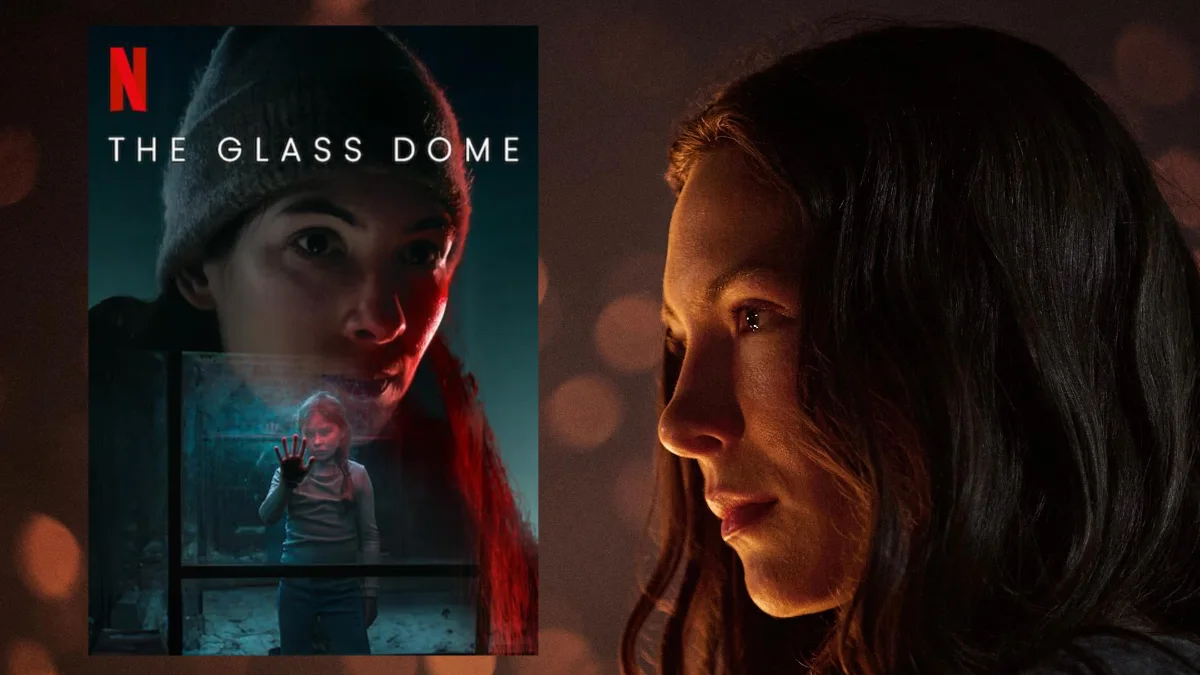
The Glass Dome is a Swedish mini-series centered on Lejla, a traumatized criminologist who returns to her hometown and becomes entangled in a chilling mystery involving a missing child and echoes of her own abduction. As the story unfolds, the psychological thriller intensifies with twists, strong performances, and haunting Scandinavian scenery. A gripping Nordic drama, it balances emotional depth with atmospheric suspense, making it a standout recommendation for horror and mystery fans
The Swedish mini-series The Glass Dome follows Lejla (Leonie Vincent), a criminologist who returns from the United States to her small hometown of Grånas, Sweden, for the funeral of her adoptive mother. Lejla’s past is marked by deep trauma—she was abducted as a child and held captive for nearly a year before managing to escape. During her disappearance, her biological mother died by suicide, overwhelmed by grief. Lejla was then adopted by Valter (Johan Hedenberg), the police investigator who handled her case, and his wife Anne-Marie.
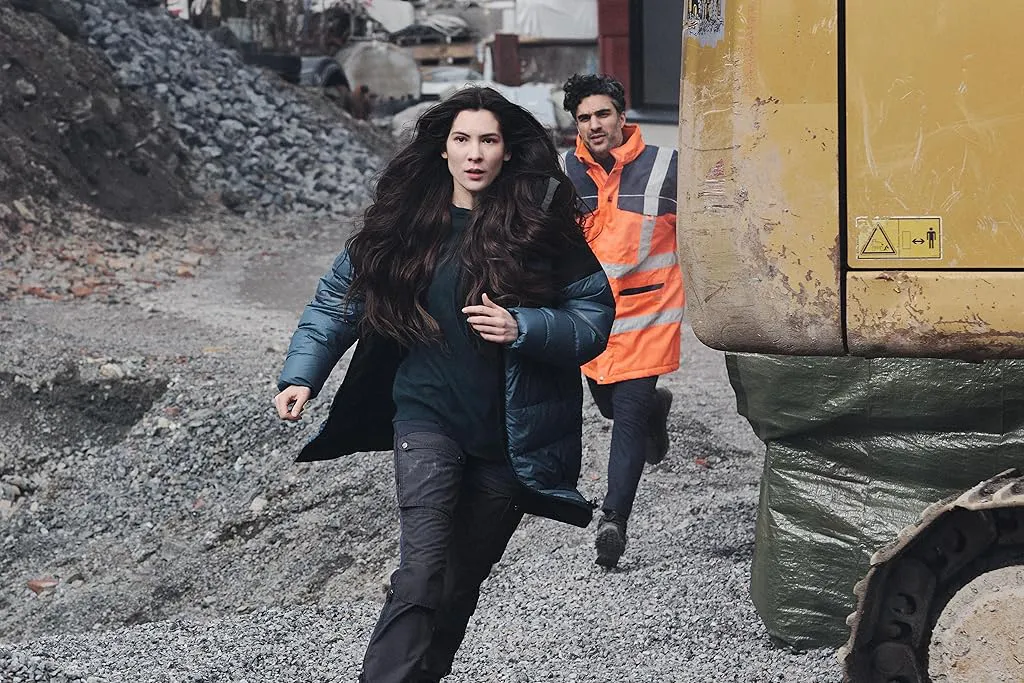
Upon returning home, Lejla finds the community in turmoil. The expansion of a local mine, managed by Said (Farzad Farzaneh), has sparked environmental and social unrest. Things take a darker turn when Said’s wife and Lejla’s childhood friend, Louise, is found dead—an apparent suicide. But their young daughter Alicia (Minoo Andacheh) has also gone missing and when her neatly folded clothes are discovered at the entrance to one of the mines, it becomes clear that she’s been abducted.
Initially, suspicions fall on upset locals seeking revenge for the mine’s environmental damage—especially when Louise’s death is ruled a staged suicide. But when another girl disappears, Lejla begins to fear that her own childhood captor may be at large once again. With the help of her adoptive father Valter and her enigmatic uncle Tomas (Johan Rheborg), Lejla races to uncover the truth before it’s too late.
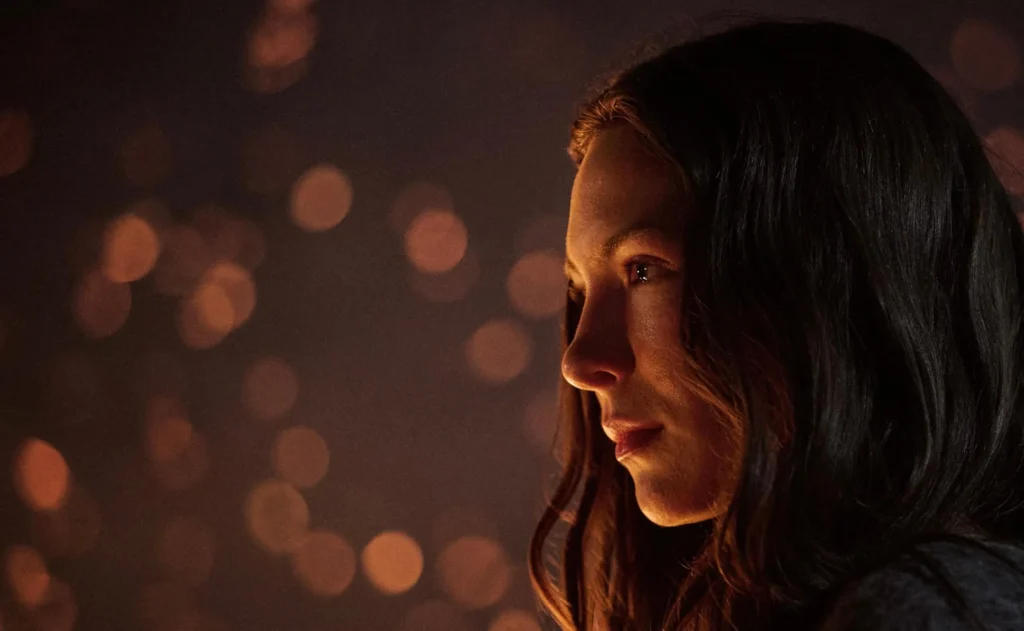
This Nordic thriller, with its eerie atmosphere and psychological horror elements, is absolutely riveting. The narrative is rich with twists and turns—just when you think you’ve figured it out, the story pivots in a new direction. But it never feels convoluted. Every piece fits together in a chilling but satisfying conclusion.
The acting is exceptional. Vincent delivers a compelling performance as Lejla, skilfully portraying a woman haunted by her past yet determined to save others from a similar fate and in conclusion resolve her own ghosts. Rheborg and Hedenberg are equally strong in their roles, grounding the series in emotional authenticity. The haunting tone, paired with bleak and beautiful Scandinavian landscapes, adds to the overall atmosphere of quiet dread.
Final Verdict
While The Glass Dome is not a traditional horror series, it’s a must-watch for horror lovers. Its psychological undertones, unsettling mystery, and suspenseful pacing slot it perfectly into the more subtle realms of the genre. Nordic thrillers rarely disappoint, and this one is no exception. Plus, for those who shy away from subtitles, it’s available dubbed in English on Netflix. Don’t miss it.

 review1 year ago
Incantation 2022 Horror Movie on Netflix
- review1 year ago
Salem’s Lot (2024): a Review
- on disc1 year ago
Second Sight’s 4K Release of The Hitcher
- news1 year ago
Witchboard Remake Terrifies Audiences
- review1 year ago
Les Chambres Rouges (Red Rooms)
- on disc1 year ago
Village of the Damned 4K: A Chilling Classic Reborn
- review1 year ago
SAW X (2023) – A Worthy Sequel That Revitalizes the Franchise
- review1 year ago
A Mind-Bending Masterpiece of Stop-Motion Nightmare