review
Resident Evil (2026): A New Era of Evil

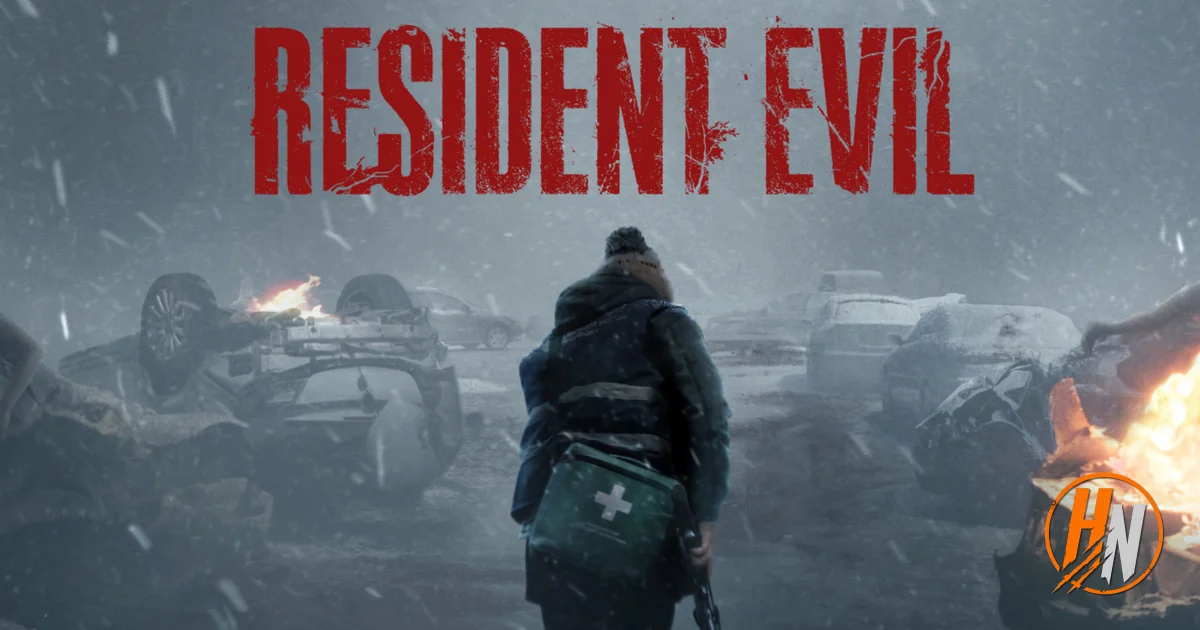
Zach Cregger’s Resident Evil stands as a testament to the power of respectful adaptation, delivering a horror spectacle that not only honors its source material but elevates it. With a runtime of 95 minutes and a budget of $75 million, this film manages to blend the visceral terror of the franchise with a fresh narrative approach that resonates with both longtime fans and newcomers to the world of Resident Evil.
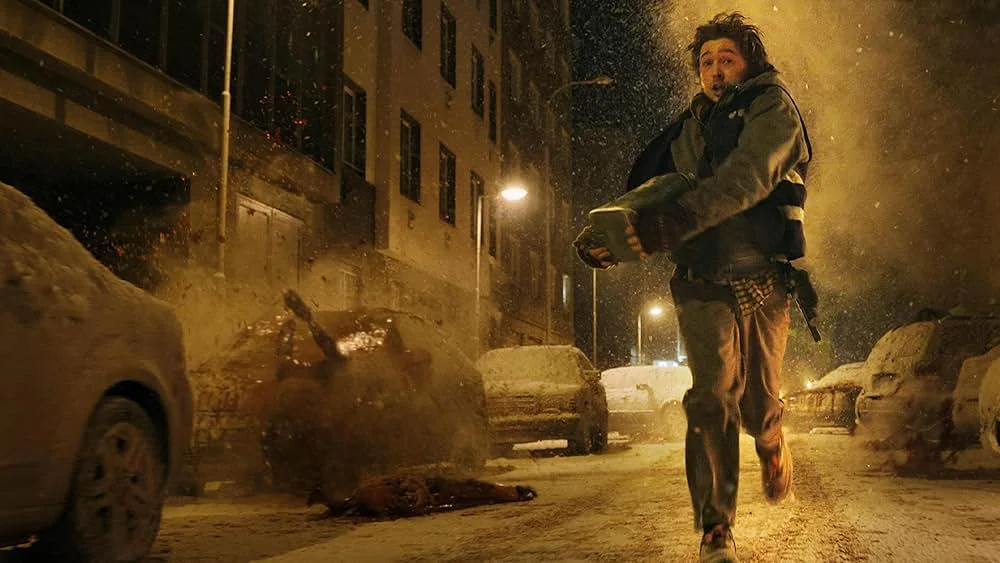
The story follows medical transport courier Bryan (Austin Abrams), who finds himself in an unexpected predicament when he takes on an extra job that pays well enough to justify the risk. His decision to lie about his vehicle’s snow-sturdy capabilities sets the stage for a nightmarish journey that begins with a collision and ends with a zombie apocalypse. While not a direct adaptation of any of the games, the film is firmly grounded in the world of Resident Evil, offering fans an experience that feels authentic and true to the franchise’s essence.
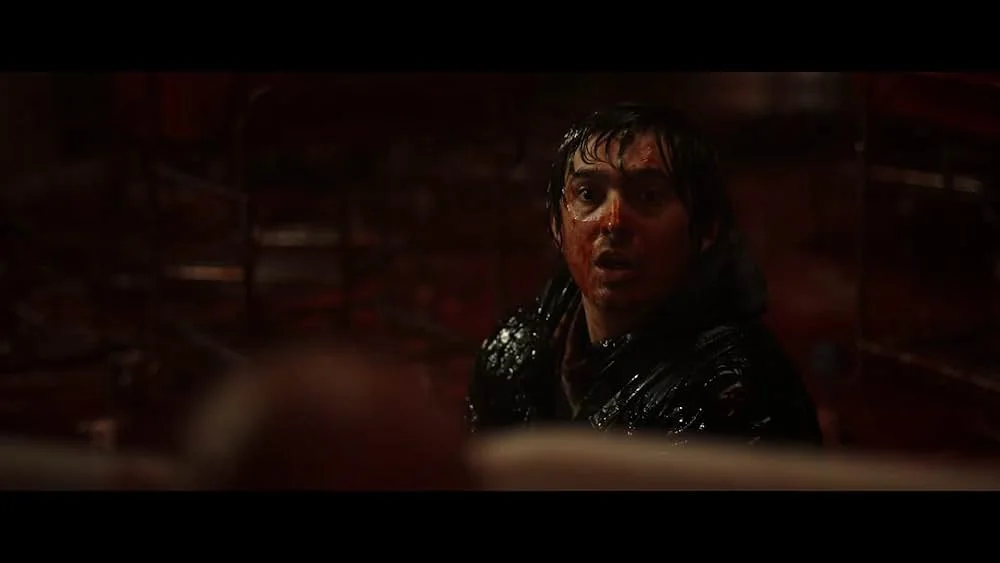
Cregger’s direction brings a new level of craftsmanship to the horror genre, building upon his previous works “Weapons” and “Barbarian.” The narrative unfolds with careful attention to pacing, ensuring that each moment builds upon the last, creating a crescendo of terror that culminates in a satisfying climax. The film’s commitment to honoring the source material is evident in small details like the presence of F-Spray bottles and a typewriter, which serve as subtle nods to the series’ iconic elements.
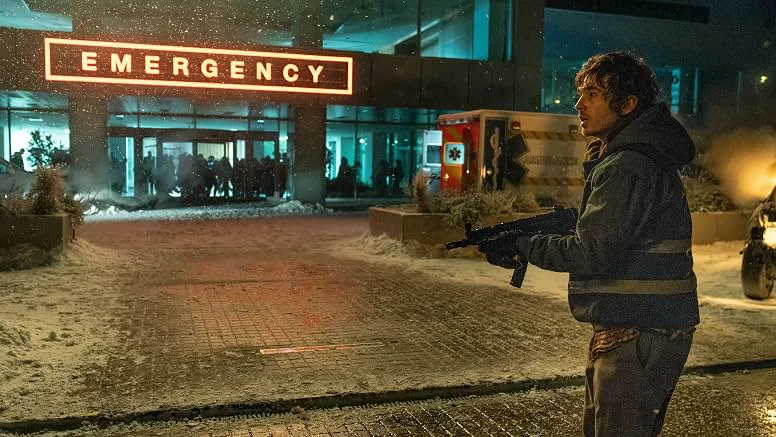
Austin Abrams delivers a standout performance as Bryan, proving himself to be more than capable of carrying the weight of such a complex role. His portrayal of a character who makes seemingly foolish decisions yet remains endearing is masterful. Unlike many recent horror protagonists who are designed to be unlikeable, Bryan is someone audiences can root for. The film’s success lies in its ability to make viewers genuinely care about his survival, which is a refreshing departure from the trend of creating characters that audiences simply hate and want to see eliminated.
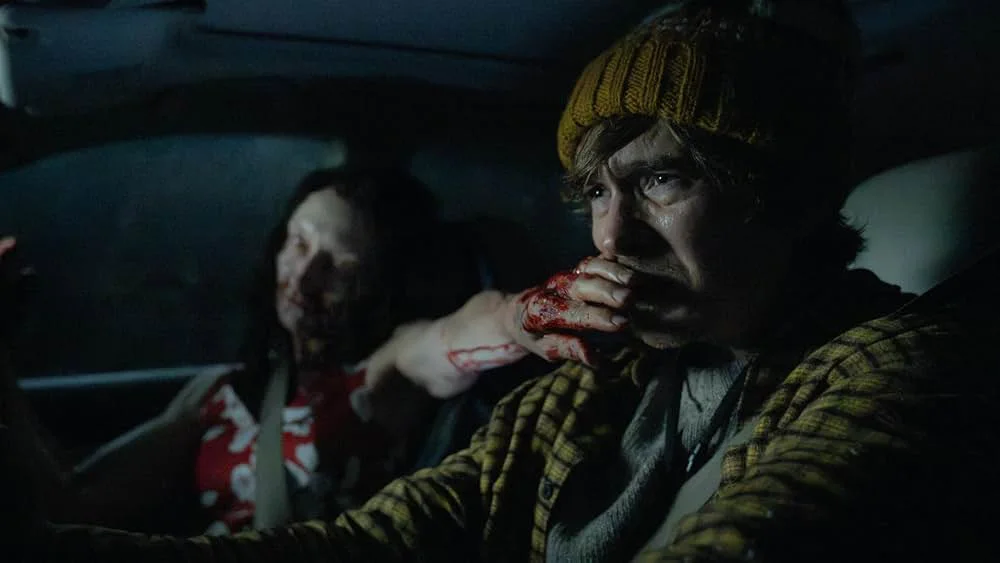
The cinematography deserves special recognition, with every shot carefully motivated to advance the story while maintaining an atmosphere of dread. Cregger’s visual storytelling is complemented by a score and sound design that work in perfect harmony to create an immersive experience. The film’s commitment to quality extends beyond the narrative to its technical aspects, demonstrating a level of production value that befits a major studio release.
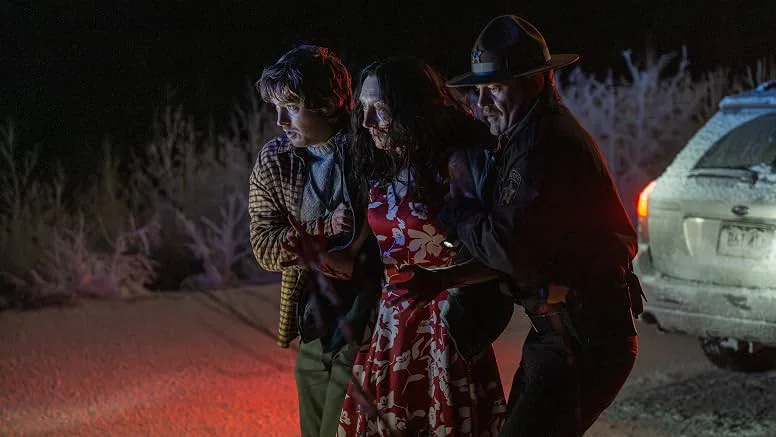
Gore levels are high throughout the film, with Cregger delivering on his promise of “lots and lots of gore” while maintaining the respect for the source material that fans expect. The practical effects work is impressive, creating creatures that are both terrifying and believable within the context of the story. The transformation sequences and action set pieces are executed with precision, providing audiences with the visceral thrills they crave.

The supporting cast, led by Paul Walter Hauser and Kali Reis, delivers performances that enhance the overall experience without overshadowing the central character. Each actor brings depth to their respective roles, contributing to the film’s cohesive narrative structure. The ensemble work is particularly effective in scenes where the characters must navigate increasingly dangerous situations while maintaining their humanity.
Resident Evil (2026) succeeds in creating a horror film that stands independently while remaining true to its roots. The movie’s approach to adaptation is respectful yet innovative, offering fans familiar elements while introducing fresh storytelling techniques. Cregger’s vision for the project is clear and executed with precision, resulting in a film that will likely be revisited by audiences who appreciate both quality horror and faithful source material interpretation.
The film’s success in balancing entertainment value with respect for its franchise is evident in its box office performance, grossing $208,312,282 worldwide, and growing. This commercial achievement suggests that there is a strong audience for well-crafted horror films that honor their origins while pushing boundaries. The movie’s R rating reflects its mature themes and graphic content, which are handled appropriately throughout the runtime.
In conclusion, Resident Evil (2026) represents a significant achievement in the horror genre, showcasing Zach Cregger’s growth as a filmmaker while delivering the terror and excitement that fans have come to expect from the franchise. The film’s commitment to quality storytelling, combined with its technical excellence, makes it a must-watch for both horror enthusiasts and casual moviegoers alike. It stands as a testament to what can be accomplished when adaptation is approached with respect, creativity, and an understanding of what makes a horror film truly effective.
The movie’s tagline, “A new era of evil,” proves prophetic as Cregger successfully establishes a new standard for Resident Evil adaptations. With its blend of practical effects, strong performances, and faithful yet innovative storytelling, this film will likely become a benchmark for future entries in the franchise. It’s a horror spectacle that will have audiences returning to experience it multiple times, not just for the scares but for the craftsmanship that went into creating such an engaging and respectful adaptation of one of gaming’s most beloved franchises.
PS there is a sweet, subtle homage to zombie meister George A. Romero, as the hospital the movie opens at is aptly name Saint George’s.
Film Details
| Director | Zach Cregger |
|---|---|
| Cast | Austin Abrams, Paul Walter Hauser, Kali Reis, Zach Cherry, Johnno Wilson, Shaun W. Loeser, Zach Cregger, Emily Piggford, Will Merrick, Zoé Bellas |
| Runtime | 95 min |
| Rating | R |
| Country | United States of America, Germany, France |
| Budget | $75,000,000 |
| Box Office | $208,312,282 |
| Where to Watch | JustWatch · IMDB |









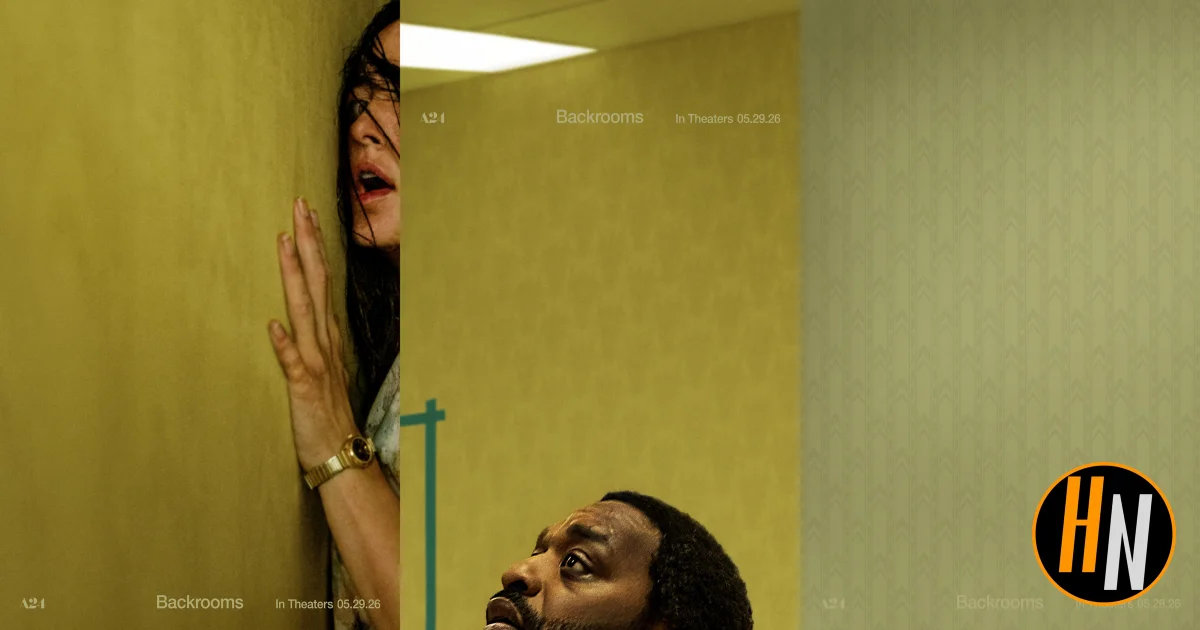
Kane Parsons’ *Backrooms* (2026) begins with a deceptively simple premise: a strange doorway appears in the basement of a furniture showroom, and from there, chaos ensues. The film’s initial setup is where it truly shines, blending found-footage aesthetics with polished Hollywood production to create an unsettling, immersive experience. It’s a genre-bending approach that recalls the atmospheric unease of *Skinamarink*, but with a more structured narrative foundation. Chiwetel Ejiofor and Renate Reinsve deliver strong, grounded performances, anchoring the film in emotional realism even as the world around them begins to unravel.
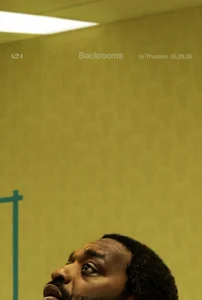
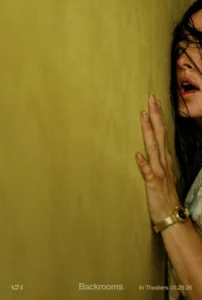
The first two acts of *Backrooms* are tense and intriguing, building dread through claustrophobic visuals and an increasing sense of disorientation. The horror doesn’t rely on jump scares but instead thrives on psychological unease and a pervasive feeling that something is deeply wrong with the fabric of reality. The film’s unique blend of documentary-style filming and traditional cinema creates a disorienting effect that works in its favor, making the audience feel like they’re uncovering secrets alongside the characters.
However, *Backrooms* suffers from a critical misstep in its third act. What begins as an engaging mystery becomes a confusing, poorly resolved climax that leaves audiences questioning what was even happening. The film’s ending feels like an admission of creative uncertainty, with Mark Duplass delivering a line so unconvincing it seems like the director and writers themselves didn’t have a clear vision for how the story should conclude. It’s a frustrating and unnecessary cop-out that undermines everything that came before.
Despite its shortcomings, *Backrooms* is worth watching if you enjoy genre experimentation and are willing to forgive a few narrative missteps. It has ambition, visual style, and a solid foundation that could have led to something truly haunting. Unfortunately, the film’s final act derails its own success, leaving fans of the first half wondering what might have been.
Rating: 6.5/10 A strong start with a disappointing finish — a haunting concept let down by poor execution in the end.
Film Details
| Director | Kane Parsons |
|---|---|
| Cast | Chiwetel Ejiofor, Renate Reinsve, Mark Duplass, Finn Bennett, Lukita Maxwell, Avan Jogia, Robert Bobroczkyi, Ember Ambrose, Krista Kosonen, Philip Granger |
| Runtime | 111 min |
| Rating | R |
| Country | United States of America, Canada |
| Budget | $10,000,000 |
| Box Office | $140,404,203 |
| Where to Watch | JustWatch · IMDB |
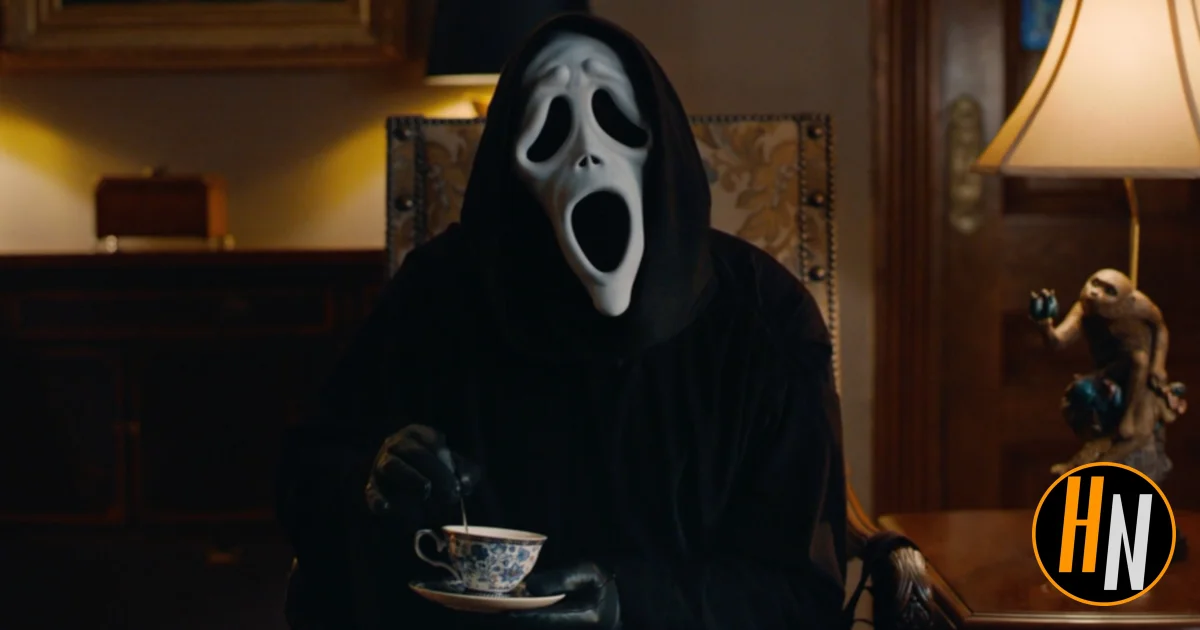
Michael Tiddes’ Scary Movie (2026) delivers a satisfying return to form for fans of the franchise, though it doesn’t quite escape the pitfalls that have plagued its predecessors. The film opens with a familiar premise: the Core Four—Marlon Wayans, Shawn Wayans, Anna Faris, and Regina Hall—find themselves once again facing off against a masked killer, this time in a world where no horror movie is safe from parody. While the setup feels somewhat recycled, it’s executed with enough wit and charm to keep audiences engaged throughout.
The cast, led by the Wayans brothers and their supporting players, brings a comfortable familiarity that makes the characters feel like old friends returning for another ride. Their comedic timing remains sharp, particularly in scenes where they take jabs at horror tropes and modern pop culture references. The film leans into its spoof nature without losing sight of what made the original series entertaining: a blend of absurdity and genuine affection for the genre it mocks.
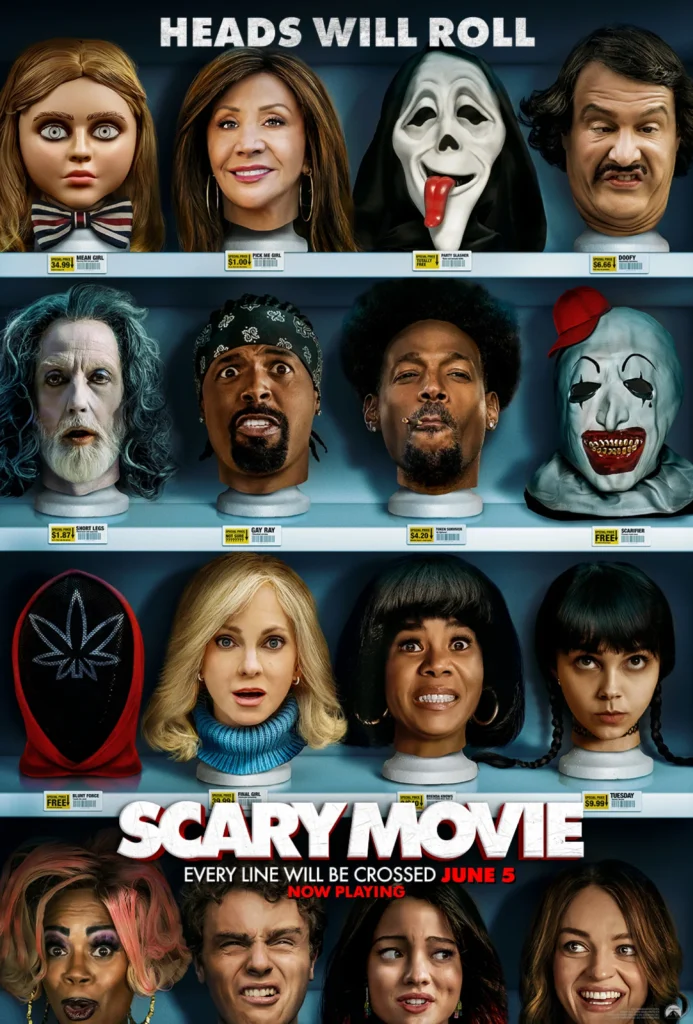
Where Scary Movie (2026) truly shines is in its commitment to both comedy and gore. The gore level sits at moderate, with blood and dildo humor landing just right—never too excessive but always plenty of fun. This balance helps keep the tone light while still delivering on the horror elements that fans expect. The film’s willingness to embrace its own ridiculousness makes it a guilty pleasure that horror fans can enjoy without guilt.
That said, the conclusion does begin to drag slightly, becoming repetitive and losing some of the energy that carried the first half. It’s a minor complaint in an otherwise solid reboot that manages to honor the franchise’s legacy while carving out its own identity. For those who appreciate spoof comedy, this is a worthy addition to the series. Those unfamiliar with the franchise may find it hard to connect, but for longtime fans, Scary Movie (2026) delivers exactly what they want: a nostalgic yet fresh take on familiar horror tropes, wrapped in a layer of comedic brilliance that makes it hard to stop watching.
The film’s modest budget doesn’t hinder its entertainment value, and the R rating allows for enough edge to satisfy fans looking for more than just clean laughs. Scary Movie (2026) is a fun, if slightly tired, return to form that proves the franchise still has life left in it.
Film Details
| Director | Michael Tiddes |
|---|---|
| Cast | Marlon Wayans, Shawn Wayans, Anna Faris, Regina Hall, Damon Wayans Jr., Gregg Wayans, Kim Wayans, Benny Zielke, Cameron Scott Roberts, Cheri Oteri |
| Runtime | 95 min |
| Rating | R |
| Country | United States of America |
| Budget | $30,000,000 |
| Where to Watch | JustWatch · IMDB |
Summary
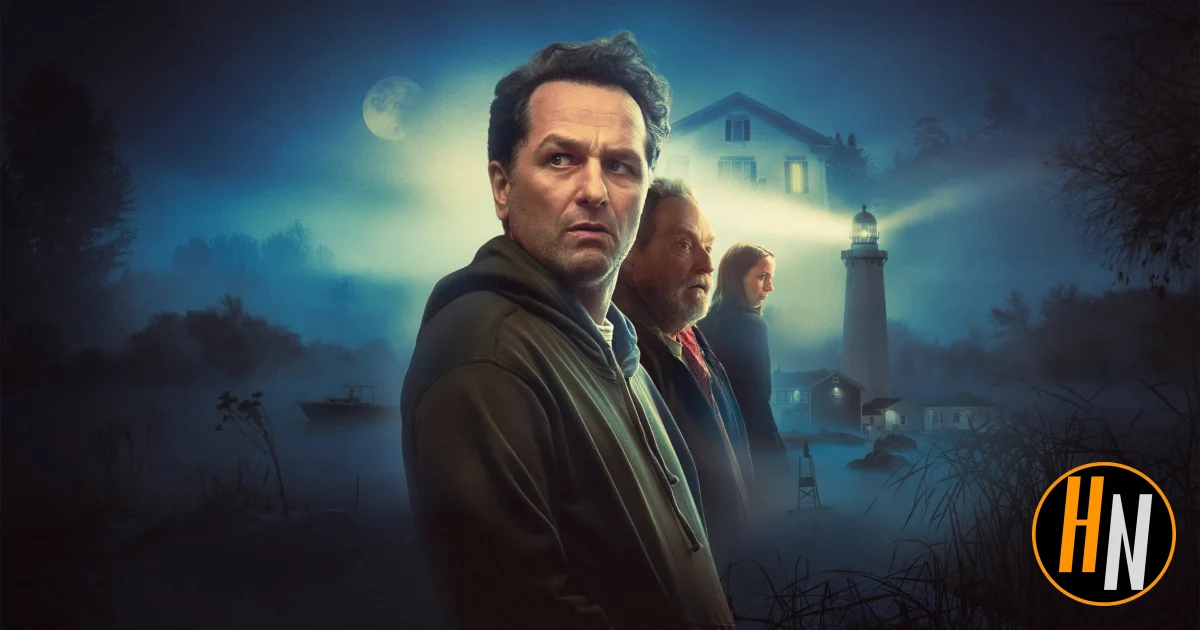
The mayor of a New England town resolves to turn it into the next tourist hot spot, despite local warnings that it's cursed. — Horrortainment News
Katie Dippold’s Widow’s Bay arrives as a refreshing departure from typical horror fare, weaving together elements of dark comedy, drama, and folk horror in a way that feels both unsettling and oddly charming. Set in a New England town where the local mayor is determined to transform the sleepy community into a tourist destination, the series immediately establishes an intriguing tension between progress and tradition, commerce and curse.
The show’s strength lies in its ability to balance multiple genres without losing focus. While the premise of a cursed town might seem like a tired trope, Dippold and her team approach it with enough wit and nuance to make it feel fresh. The first episode promises a compelling blend of mystery and humor, suggesting that the series will deliver on its intriguing setup without relying on cheap scares or over-the-top supernatural elements.
Matthew Rhys anchors the series with a performance that captures the complexity of a man caught between his civic duties and the town’s dark history. His portrayal of the mayor feels authentic, as he navigates the delicate balance between ambition and responsibility while confronting the very real consequences of his decisions. Supporting cast members including Stephen Root and Kate O’Flynn bring depth to their respective roles, creating a believable ensemble that makes the town’s inhabitants feel like real people rather than mere plot devices.
The series’ folk horror elements are particularly well-handled, with the curse serving as both a literal threat and a metaphor for the town’s troubled past. Rather than focusing on jump scares or gore, Widow’s Bay creates an atmosphere of unease that builds slowly but steadily. The cinematography, while not explicitly detailed, appears to favor a grounded, naturalistic approach that enhances the show’s realism and makes the supernatural elements all the more unsettling.
What sets Widow’s Bay apart is its willingness to explore themes of community, legacy, and the price of progress. The show doesn’t simply present a cursed town as a horror story; instead, it uses the supernatural elements to examine how people deal with difficult truths about their past and present circumstances. The dark comedy aspects provide necessary relief while never undermining the series’ more serious themes.
The series’ promise, as suggested by early reviews, is that it will maintain the quality of its first episode throughout its run. With a strong cast, thoughtful direction, and an intriguing premise, Widow’s Bay has the potential to become a standout entry in the horror genre, particularly for viewers who appreciate more nuanced storytelling over conventional scares.
Series Details
| Director | Katie Dippold |
|---|---|
| Cast | Matthew Rhys, Stephen Root, Kate O’Flynn, Kevin Carroll, Dale Dickey, Kingston Rumi Southwick |
| Runtime | Unknown |
| Rating | TV-MA |
| Country | United States of America |
| Budget | N/A |
| Box Office | N/A |
| Where to Watch | JustWatch · IMDB |

 review2 years ago
Incantation 2022 Horror Movie on Netflix
- review2 years ago
Salem’s Lot (2024): a Review
- on disc2 years ago
Second Sight’s 4K Release of The Hitcher
- review2 years ago
SAW X (2023) – A Worthy Sequel That Revitalizes the Franchise
- review2 years ago
Les Chambres Rouges (Red Rooms)
- news2 years ago
Witchboard Remake Terrifies Audiences
- on disc2 years ago
Village of the Damned 4K: A Chilling Classic Reborn
- review2 years ago
A Mind-Bending Masterpiece of Stop-Motion Nightmare